A key goal of my personal tech projects is to learn new skills and prove to myself that I can tackle any technical challenge in front of me. A perfect example is my wildly ambitious goal of using music played in real-time to generate DMX data that manipulates a virtual light show in Unreal Engine. That data could also be used to control the same light fixtures in the real world. Here’s the video about that project, in case you haven’t seen it:
This is exactly how I’ve managed to grow in my career. Leaders learned they could ask me to dig into a technical problem, research what it would take to solve it, quickly learn any skills required to pull it off, and finally share a demonstration that proves my proposed solution is exactly what they were looking for.
Over the years, I’ve gained the trust of executive leadership as my solutions continued to overcome hurdles allowing us to launch new products, meet the needs of new clients, and help us retain existing clients.
The key to my career growth isn’t directly tied to the development of new technical skills. Those simply became tools in my virtual belt.

It’s more about being strategic in how I evaluate a problem, analyzing it from every angle, and gaining an understanding how it relates to other services within an enterprise ecosystem. Once I’m confident that I understand the big picture down to the tiniest details that could be impacted, my goal is to design the simplest, most efficient solution possible.
That’s often where I need to learn new skills, which I use to build a proof of concept that proves my theories. Those POCs become the foundation for the final solution, and often make it all the way to production.
Regardless of these challenges being related to our users, clients, data, or tooling, the process for me is the same. It all starts with a willingness to head into uncharted, and often scary, territory.
And that is the perfect segue into why I’m writing this article!
It’s hard to ignore how scary the technical job industry is today. While I’ve managed to maintain “key player” status, especially when it comes to implementing AI-powered solutions, I can’t help but apply one of my most effective practices to my own career.
That is to conduct a pre-mortem.
A pre-mortem is a strategic, proactive exercise conducted before a project begins, where the team imagines that the project has already failed and works backward to determine the causes.
This pre-mortem process is why my executive presentations include backup plans to help manage risk before we formally kick-off a project.
With most of my colleagues and mentors continuing to get ripped from their decade long careers, it would be foolish for me to not have a backup plan for myself.
If you’ve followed me over the last couple of years, you’ll see I have a clear passion for creative media. So, that’s where my backup plan had me thinking I could get back into multimedia freelancing. I even started creating spec commercials in Unreal Engine to add to my portfolio. Here’s the real Tylenol commercial I already have roughed out in Unreal Engine where I was about to start digging in to make custom materials, improve my lighting skills, and exploring Niagara to replicate the cool liquid effects you’ll see:
Here’s where I’m at with the rough out at the time of writing this article…
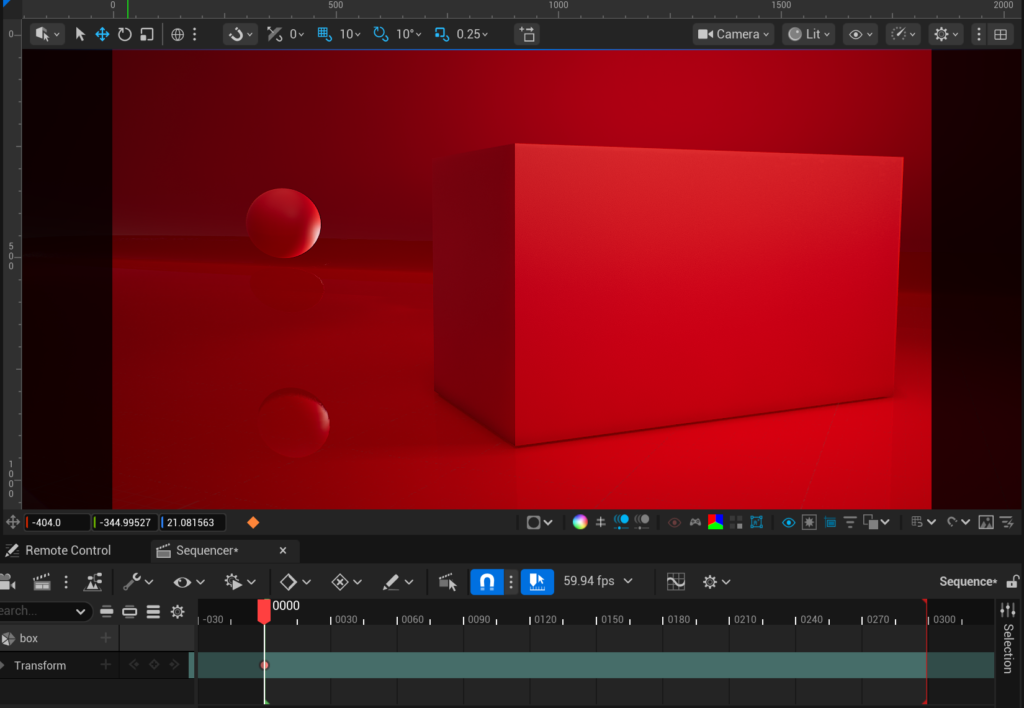
Why a pharmaceutical commercial, you ask? Cuz they have money to pay their bills!!
While I may still explore this route at some point, my pre-mortem analysis of making commercials like this brought up past trauma with clients who completely destroyed what I thought was my best work ever. It can take the wind out of your sails when a client wants adjustments purely based on subjective opinion that contradicts your own.
Then there’s the fact that your income may be directly tied to your artistic ability.
That’s all it took to remind me of another area I’ve been wanting to dig into that keeps me on track with learning how to build virtual worlds, while also being engaged through unlimited potential. So, let’s finally get to where I’ll be placing my focus in 2026.
OpenUSD and Industrial Metaverse with Physical AI
While the word “industrial” may sound even more boring than pharmaceuticals to a creative person, there’s a lot to be said about the opportunities that it has to offer. Not to mention, the stability and growth potential. Plus, they only care that their solutions work in the most efficient way possible vs what color or font was chosen. 🤣
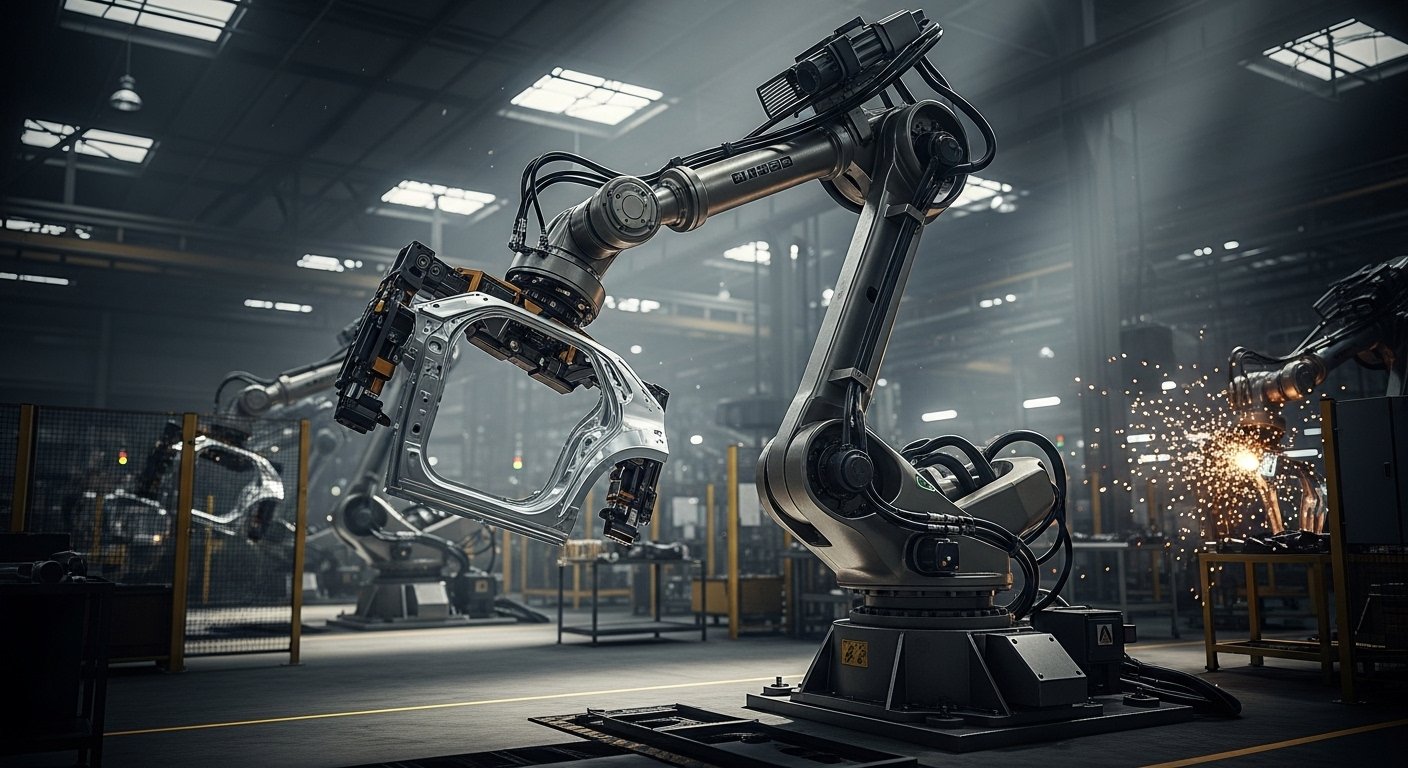
It could also be the fact that I used to maintain and repair heavy industrial equipment for companies like Intel and Hewlett Packard that keeps me from running away from the idea of technology that drives assembly lines. Robots alone can make me drool, if you haven’t noticed!
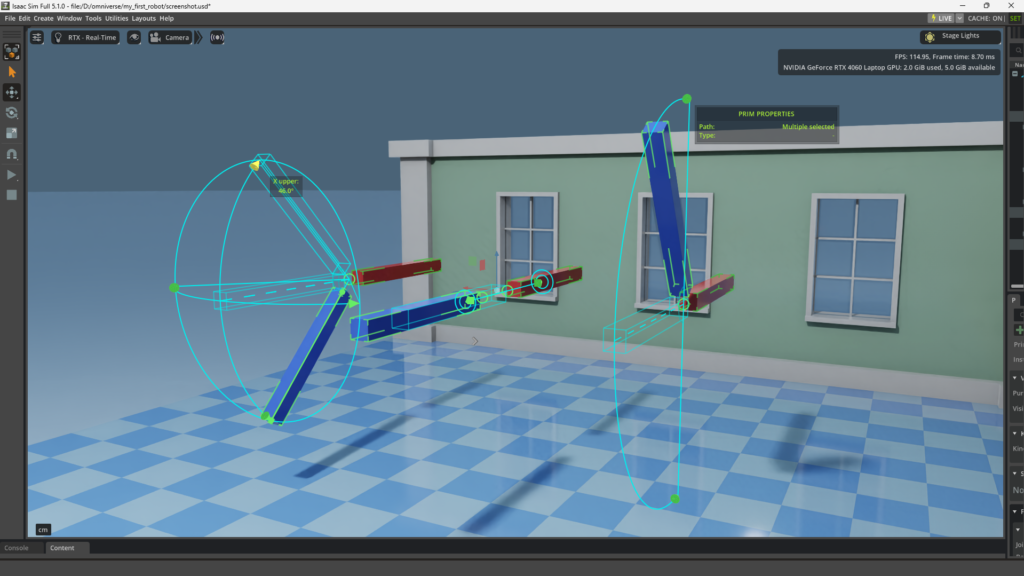
My personal exploration into using OpenUSD has only been at a high-level, so far. I understand how it works, but I have yet to use USD in a simulation.
I’ve explored using NVIDIA’s Omniverse before and found some tasks were too intense for my consumer gaming laptop to handle, but navigating that hurdle is part of this new backup career path’s solution design. Just like learning how to run local AI models to generate 4K videos using only 8GB of VRAM!
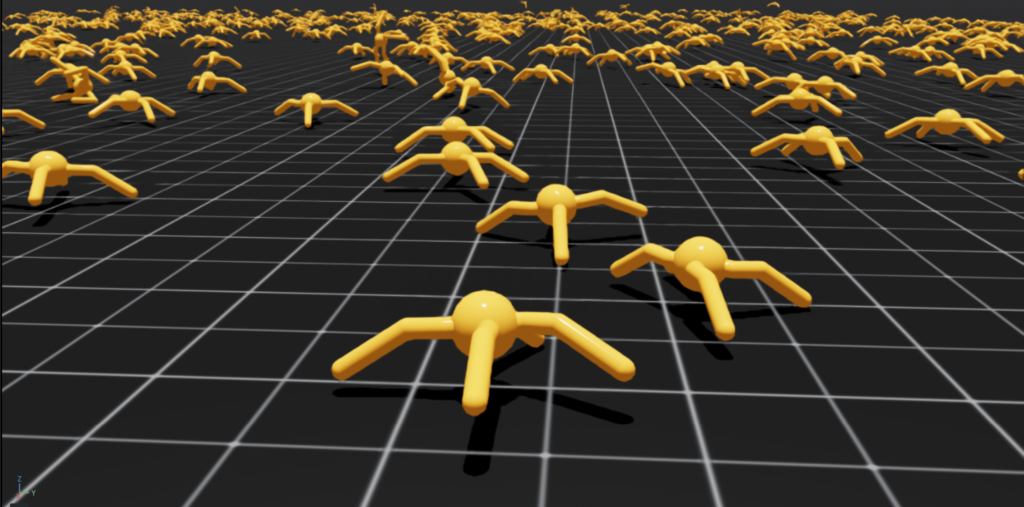
My goal will be to leverage OpenUSD and Omniverse to create simple factory simulations, which will allow me to gain and demonstrate skills to potential employers. I will not only be able to talk the talk, I want to prove that I can walk the walk.
One thing I love about NVIDIA is that they offer lots of great training of cutting edge technology for free!
I’ll be starting with this Digital Twins for Physical AI learning path, which will hopefully allow me to use an ESP32 with a DHT11 sensor in the real world to demonstrate a simulated overheating event in a digital twin. That’s not unlike using music to generate data to move virtual lighting, but there’s a real world practicality that makes far more sense when strategically planning a backup career shift.
Here’s a summary provided by Gemini of what you will learn in this NVIDA course:
This learning path is designed to pivot you toward the “Industrial Metaverse” and Physical AI—some of the fastest-growing sectors in tech. Here is a high-level summary perfect for a blog post or LinkedIn update:
- Mastery of OpenUSD: You’ll learn to work with Universal Scene Description (the industry standard for 3D data), enabling you to aggregate complex data from different software into a single, collaborative, and non-destructive environment.
- Industrial Digital Twin Development: You will gain the ability to build physically accurate virtual replicas of real-world systems (like factories or warehouses) to simulate, optimize, and troubleshoot operations before they ever exist in reality.
- Physical AI & Robotics Integration: You’ll learn how to use these virtual worlds as “gyms” to train AI and robots—specifically using Synthetic Data Generation to create perfect training datasets that accelerate real-world AI deployment.
- Custom Tool Building with NVIDIA Omniverse: You’ll acquire the developer skills to create your own specialized 3D applications and extensions using the Omniverse Kit SDK and Python, moving beyond being a user to becoming a platform creator.
- Collaborative 3D Workflows: You’ll master real-time, multi-user workflows that break down traditional silos between designers, engineers, and data scientists, a skill highly sought after in AEC (Architecture, Engineering, and Construction) and Manufacturing.
Conclusion
This is an intentional strategic shift that is aimed at keeping my skills honed for the future, so that I can remain relevant in the work place and continue my career growth while working toward achieving my personal financial goals.
The current uncertainty in the world causes us all some level of stress. However, it’s all in how you use it.
Unlike machines, humans need a certain amount stress to continue to develop and improve.
I don’t know what the future holds, but this is me doing my best to stay agile and navigate the unknown.
As always, I’ll be sharing my progress while I continue on this journey, so keep an eye out for some awesome new projects!